Chapter 1
The Boy Who Read Encyclopedias
Before the rockets and the recalls, there was a kid in Pretoria who chose his father's house because it had a bigger library.
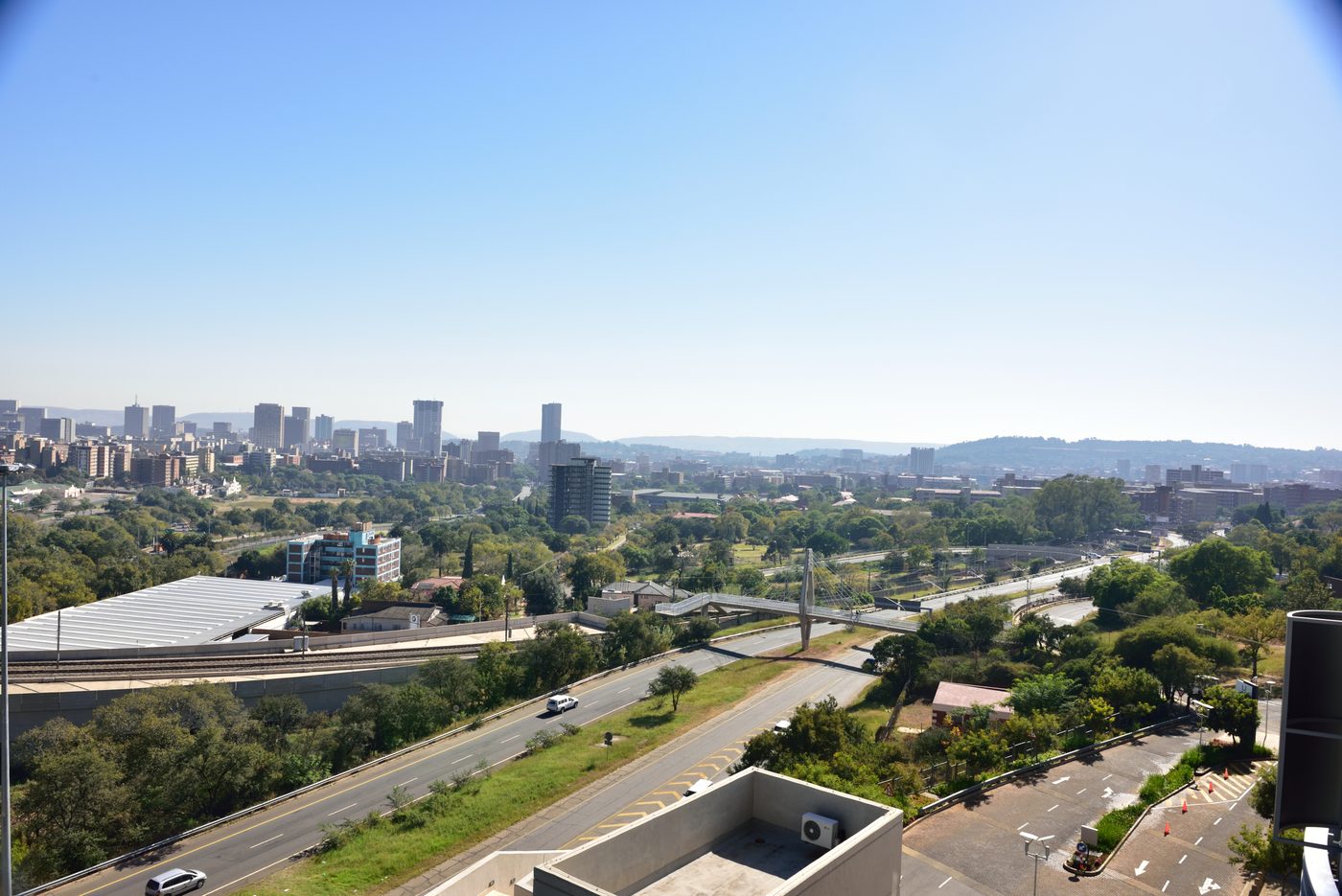
Pretoria, 1979. A nine-year-old is asked which parent he wants to live with after a divorce. He picks his father, Errol, an electromechanical engineer and part-time emerald dealer, over his mother, Maye, a model and dietitian who would later say the decision haunted her for years. The boy's reasoning, as he told it decades later, was almost absurdly practical: his father's house had an encyclopedia set and a computer. It is the first data point in a life that would keep running on the same logic — chase the resource, worry about the relationship later.
School did not go well. At the wilderness academy he attended, Elon Musk later described an atmosphere he compared to a paramilitary version of Lord of the Flies, where bullying was less a problem to be solved than a rite of passage to be endured. One beating was severe enough to put him in the hospital. He retreated into books — The Lord of the Rings, The Hitchhiker's Guide to the Galaxy — and into a home computer, teaching himself to program from a VIC-20 manual at age ten. At twelve, he sold the code for a simple space-combat game called Blastar to a computing magazine for around $500. It was not nothing, for a kid in Pretoria in 1983.
The more consequential decision came at eighteen. South Africa still enforced apartheid, and every white man Musk's age faced conscription into a military built to defend it. His mother was Canadian by birth, which meant he could claim a Canadian passport — and get out before the call-up papers arrived. He left for Canada in June 1989, worked odd jobs on farms and in a lumber mill, and enrolled at Queen's University in Kingston, Ontario, the following year.
Two years later he transferred south, to the University of Pennsylvania, chasing a Wharton business degree to pair with a physics major. He was already restless for Silicon Valley: two internships in 1994, one at a startup studying supercapacitors, another at a small games studio in Palo Alto, gave him a taste of the place he actually wanted to be. In 1995, Stanford accepted him into a materials-science PhD program. He deferred, then never enrolled, choosing instead to ride the internet boom that was just starting to break. The encyclopedia-reading kid from Pretoria was about to start his first company.
None of this explains what came later — the fortunes, the rockets, the feuds. But it sets the pattern: an unhappy, book-buried childhood; a willingness to abandon a stable path (school, a PhD, a marriage, eventually a company he founded no part of) the moment something better presented itself; and a chip-on-the-shoulder relationship with authority that would resurface, again and again, from boardrooms to the SEC to the site formerly known as Twitter.