Chapter 2
Fired on His Honeymoon
His first two companies made him rich. Both of them also fired him.
In 1995, Musk, his brother Kimbal, and a friend named Greg Kouri rented a small office in Palo Alto and built Zip2 — an online city-guide service that put maps, directions, and business listings in front of newspapers that had no idea how to build that themselves. Musk coded through the night and slept in the office on a beanbag; to make the company look more substantial to investors touring the building, he reportedly built an oversized plastic housing around an ordinary desktop computer so it would look like a server rack doing serious work. The bluff, if you can call it that, held. Zip2 landed contracts with The New York Times and the Chicago Tribune, and in February 1999, Compaq bought the company outright for $307 million in cash. Musk's 7 percent stake paid out $22 million. He was twenty-seven.
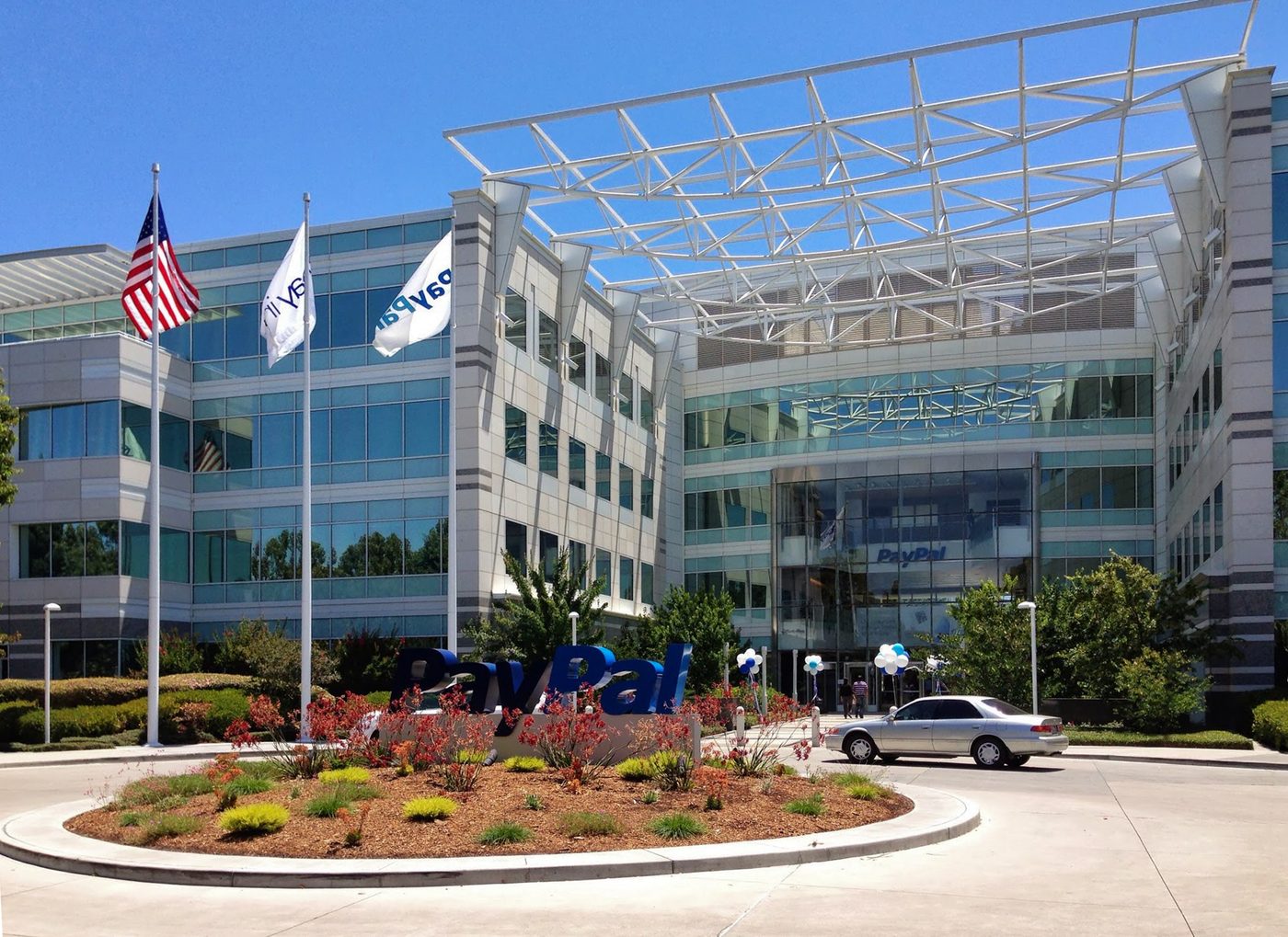
He put much of that money into a new venture almost immediately: X.com, one of the first federally insured online banks, launched in 1999 with a plan to turn email into a payment rail. It grew fast — 200,000 customers within months — and its investors grew nervous just as fast. Before the year was out, the board decided Musk was too inexperienced to run what he'd built and installed Intuit's former CEO, Bill Harris, in his place. Musk fought his way back into the CEO chair within months, then almost immediately picked a fight over which operating system the company should run on, driving out cofounder Peter Thiel in the process. It didn't matter for long: X.com had just merged with a rival payments startup called Confinity, whose product, PayPal, was already more popular than X.com's own.
The merger set up the ending. In September 2000, with the combined company still finding its footing, Musk left for a honeymoon in Sydney with his first wife, Justine, timed to catch the Olympics. While he was on the plane, the board met without him and voted to replace him as CEO — with Thiel, the cofounder he'd pushed out months earlier. Musk found out he'd lost his own company somewhere over the Pacific.
PayPal, under Thiel, kept the name customers already trusted and dropped X.com's. In October 2002, eBay bought the company for $1.5 billion in stock. Musk, still the largest individual shareholder at just under 12 percent, walked away with roughly $175 million — a fortune built on a company that had ousted him twice. He never quite let go of the name: in 2017, long after PayPal had become an independent giant, he quietly bought the X.com domain back from them for an undisclosed sum, calling it sentimental value. Five years later, it would become the name of a much bigger, much louder acquisition.