Chapter 3
The Worst Year, Twice
In 2008, Musk's rocket company and his car company were both weeks from death -- at the same time, for the same reason: his money had run out.
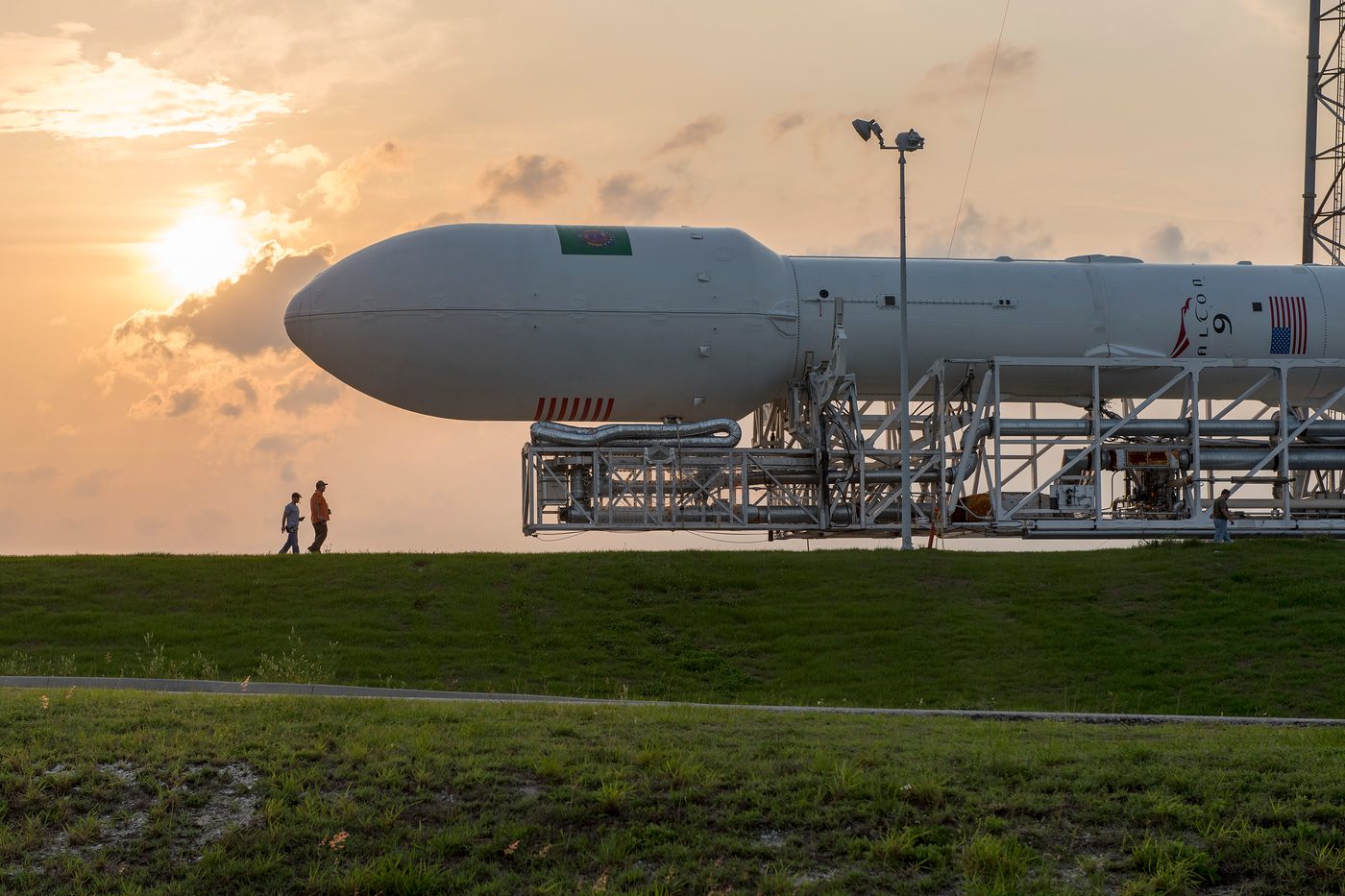
After PayPal, Musk didn't slow down; he picked a harder problem. In 2001 he started talking to the nonprofit Mars Society about growing plants on Mars, then flew to Moscow twice trying to buy refurbished Russian ICBMs cheap enough to launch something there himself. When the Russians wouldn't sell at a price he liked, he decided to build his own rockets instead. SpaceX was incorporated in May 2002, funded with about $100 million of his own PayPal money. It was, on paper, a terrible bet: no independent company had ever put a rocket into orbit and lived to fly again.
Two years later, a much smaller bet crossed his desk. A pair of engineers named Martin Eberhard and Marc Tarpenning had incorporated a company called Tesla Motors and were trying to build an electric sports car around a prototype called the tzero. In February 2004, Musk led their Series A round with $6.5 million, becoming chairman and the company's largest shareholder. He was not yet running the place day to day -- that would come later, and not gently.
By 2007 and 2008, both bets were failing in public. SpaceX's Falcon 1 rocket had failed to reach orbit three times in a row, burning through cash with each attempt. Tesla, meanwhile, was blowing through its funding trying to get the Roadster into production, and the board -- with Musk, as chairman, driving the decision -- pushed out founding CEO Martin Eberhard in August 2007. The 2008 financial crisis hit both companies' ability to raise more money at almost the same moment. Musk later described that year bluntly: he was having nightmares, waking up screaming. His marriage to Justine ended in divorce the same year. By his own account, he was personally, technically bankrupt -- all of it, all at once.
The turn came on September 28, 2008. SpaceX's fourth Falcon 1 launch reached orbit -- the first time a privately built, privately funded rocket had ever done it. Musk took what was left of his fortune, reportedly around $30 million, and split it between the two companies to keep them breathing for a few more weeks. It worked out about as narrowly as that sentence suggests: in December 2008, NASA awarded SpaceX a $1.6 billion contract to fly cargo to the International Space Station, and Tesla closed a financing round days before its cash would have run out entirely. That same October, Musk took over as Tesla's CEO outright, ending the transition that had started with Eberhard's ouster a year earlier.
Two companies, one bank account, one very bad year -- and somehow both of them made it to the other side. It is the year Musk's admirers point to first, and for once, the underlying facts hold up: independently verified launches, an independently verified NASA contract, an independently verified near-collapse. Whatever else gets argued about him later, 2008 is the year the bet nearly didn't pay off, and did.