Chapter 2
The Roadster Gamble
Every round of funding brought bigger names. None of it was enough to get the car out the door on schedule.
Tesla needed money before it could build anything, and in February 2004 it found a chairman along with a check: Elon Musk led the company's $7.5 million Series A round with a personal investment of $6.5 million, fresh off the sale of PayPal. It was not, at the time, a controlling stake or a hands-on role -- Musk chaired the board and weighed in on the Roadster's design, but Eberhard and Tarpenning still ran daily operations.
The rounds kept coming, and they kept getting bigger. A $13 million Series B in February 2005, again led by Musk, brought in Valor Equity Partners. A $40 million Series C in May 2006 pulled in backers who needed no introduction: Google cofounders Sergey Brin and Larry Page, and former eBay president Jeff Skoll. By the time a $45 million Series D closed in May 2007, Tesla had raised more than $105 million in private capital before selling a single production car.
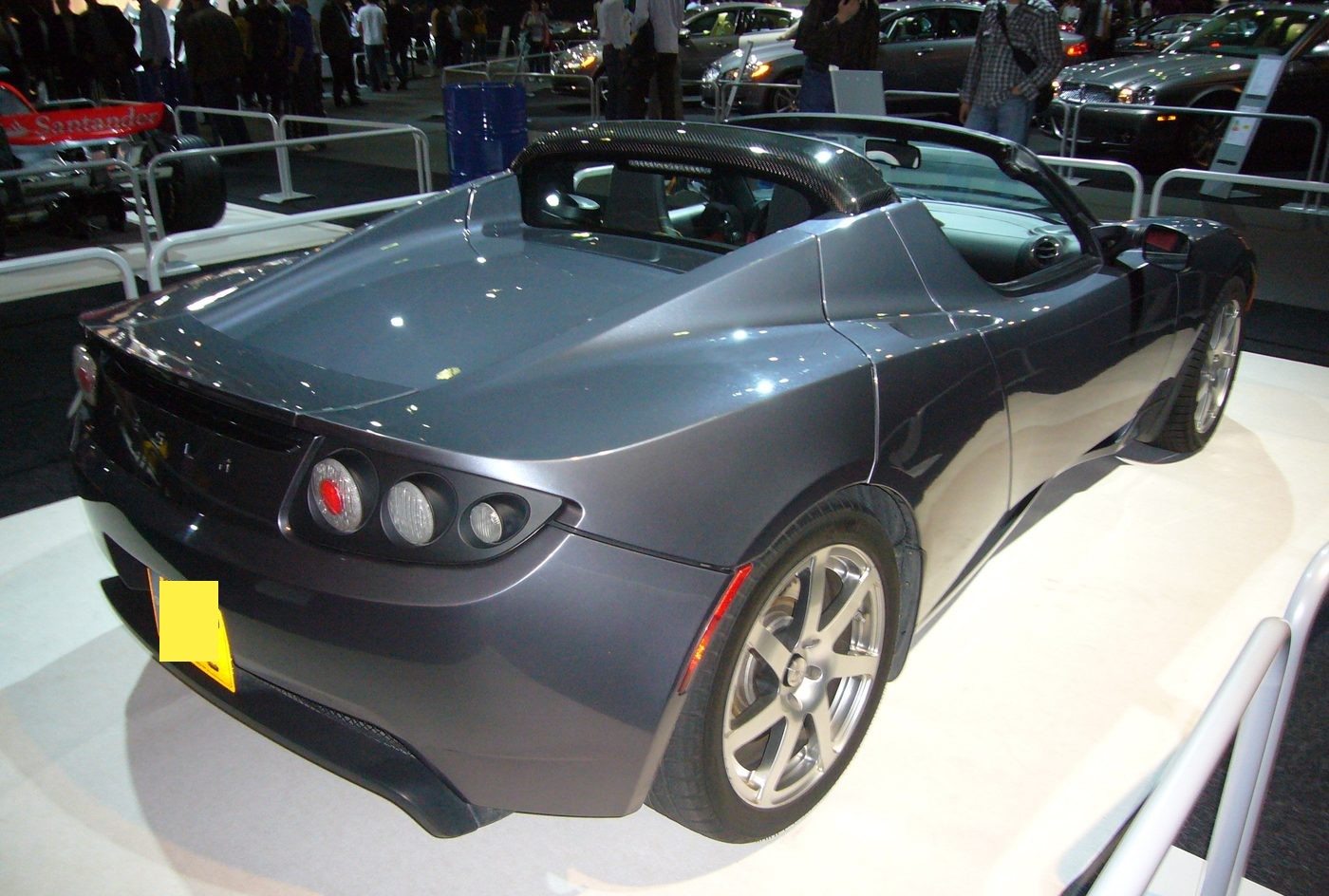
The car itself, the Roadster, was a low-volume, high-performance electric sports car built on a modified Lotus Elise chassis, assembled in a converted Chevrolet dealership in Menlo Park starting in 2008. It was the first highway-legal production electric vehicle to use lithium-ion cells, and the first mass-produced EV of any kind since the ill-fated GM EV1 a decade earlier. But building around 2,500 of them, one at a time, in a repurposed dealership, cost far more than the funding rounds anticipated. By January 2009, Tesla had burned through $187 million against just 147 delivered cars, and Musk had personally put in $70 million of his own money to keep the lights on -- on top of the SpaceX bet he was juggling at the exact same time.