Chapter 4
Production Hell
He called it production hell himself. Then he tweeted his way into a fraud investigation trying to make it stop.
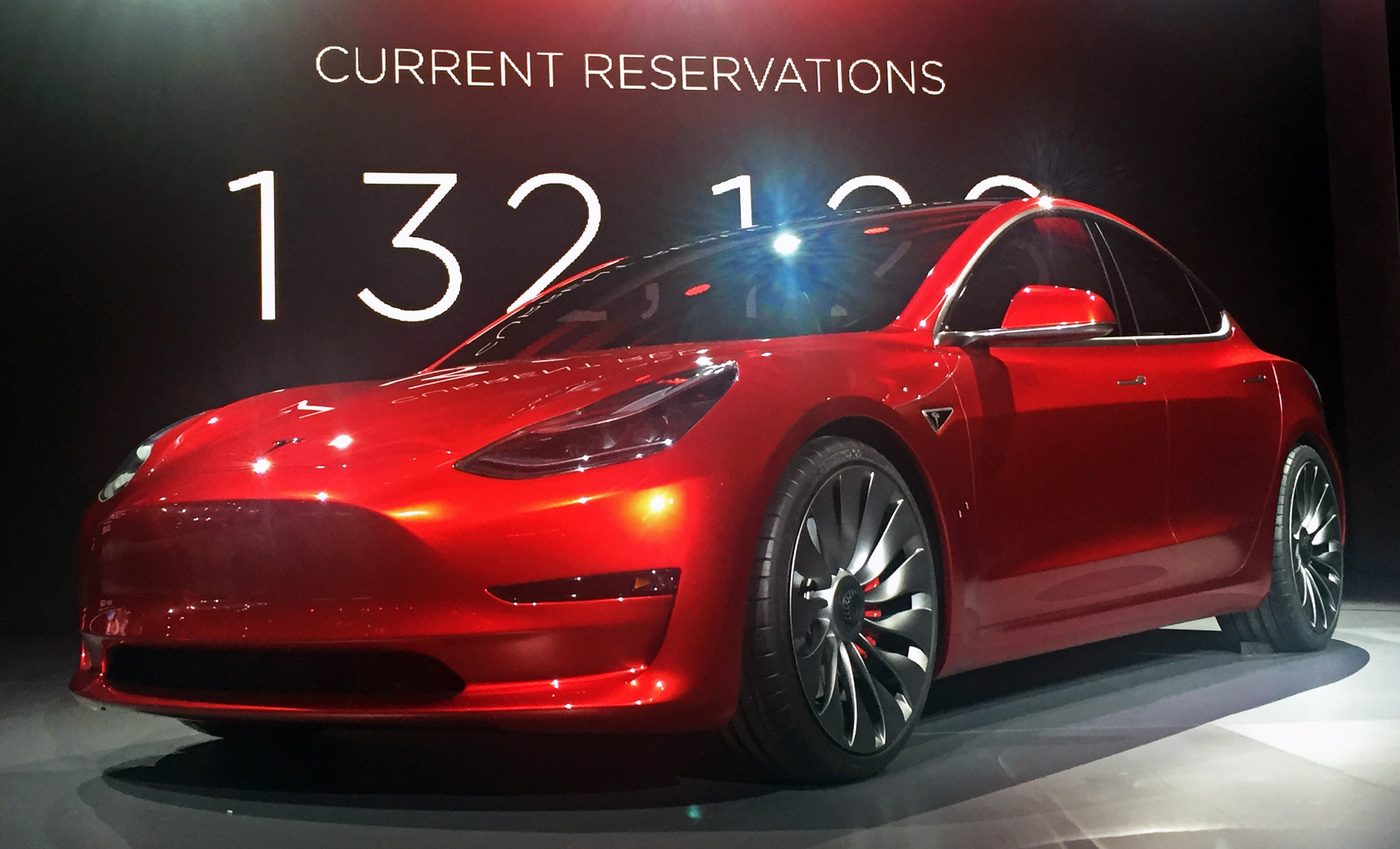
By 2016, Tesla had shipped a few hundred thousand Roadsters, Model S sedans, and Model X SUVs -- respectable numbers for a niche automaker, nowhere near enough to change the industry. The Model 3 was supposed to fix that: a mass-market sedan cheap enough for a mainstream buyer, and it worked, at least as marketing. Within a week of its 2016 unveiling, Tesla had more than 325,000 paid reservations, more advance demand than almost any car in history.
Then Tesla tried to build it. Musk bet heavily on full automation -- robots doing work that other automakers still assigned to people -- and the robots kept jamming, misaligning, and stopping the line. Musk himself gave the crisis its name, telling investors Tesla was in "production hell" and, later, that he'd been sleeping on the factory floor to push the line himself. Tesla missed its own production targets repeatedly through 2017 and into 2018, and short-sellers -- investors betting the stock would fall -- circled the company hard, certain it was heading for bankruptcy.
On August 7, 2018, Musk tried to make the pressure disappear in one move: he tweeted that he was considering taking Tesla private at $420 a share and that funding was "secured." It wasn't -- no financing was actually locked down -- and the tweet triggered a stock halt, a wave of lawsuits, and a Securities and Exchange Commission investigation into securities fraud. Tesla's own board hadn't approved the plan. The SEC initially sought to bar Musk from ever serving as an officer or director of a public company again.
The case settled within a month, without Musk admitting or denying wrongdoing. He and Tesla each paid a $20 million fine, and Musk agreed to step down as board chairman -- though not as CEO -- with Tesla required to install an independent chair and pre-clear his securities-related tweets going forward. By the end of 2018, production hell had actually broken: Model 3 output climbed past the promised targets, and the car became the best-selling electric vehicle in the world for four straight years running.
It is the chapter that best captures the trade Tesla's admirers and critics keep arguing about. The same recklessness that helped push Model 3 through an production crisis other automakers might have quietly delayed a year -- and no one has better proof of that stubbornness than the survivors who worked the line -- also produced a market-moving tweet with no funding behind it. Both things are true about the same eighteen months.