Chapter 5
Gigafactories and Global Scale
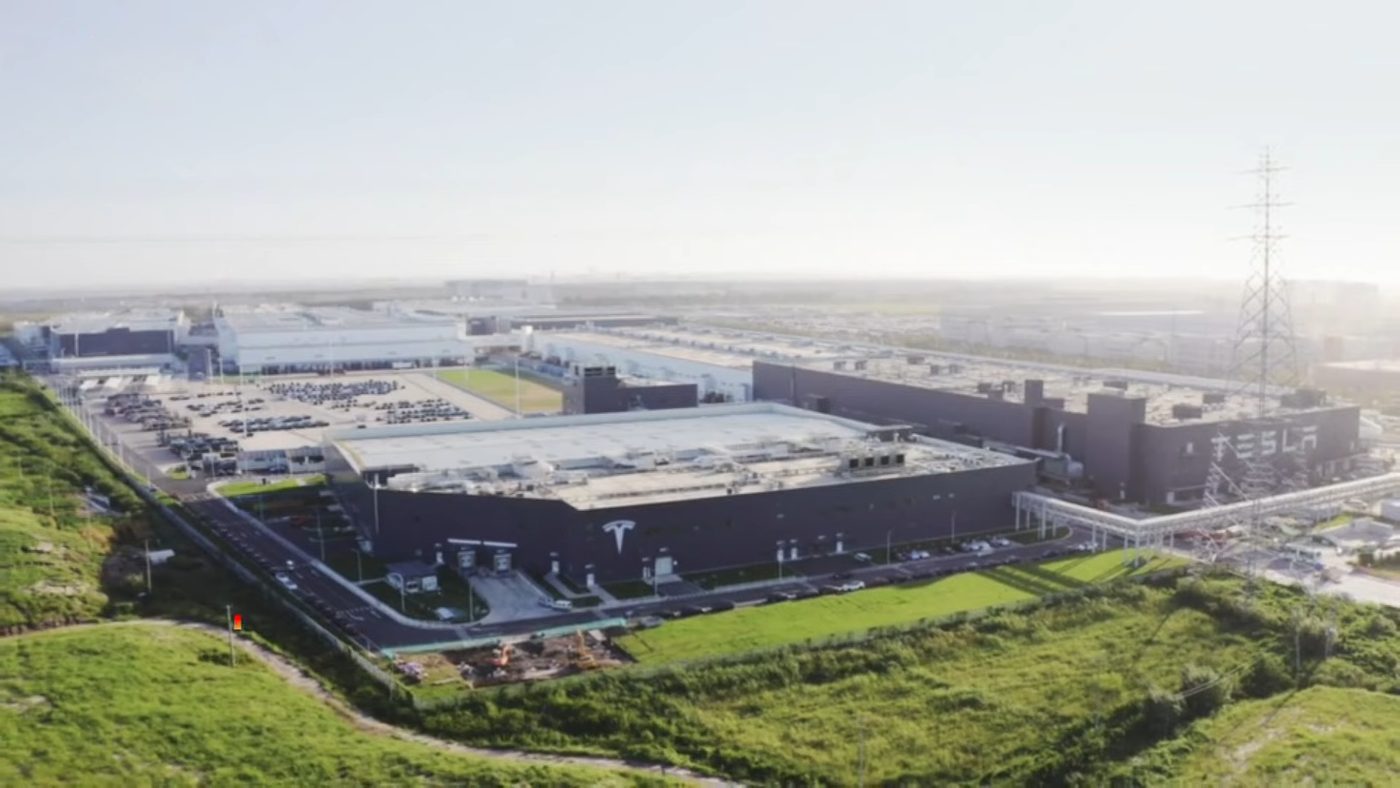
In under a year, an empty field outside Shanghai turned into a car factory. That speed is the whole chapter.
Scaling the Model 3 meant scaling manufacturing itself, and Tesla did it faster than automakers twice its age generally attempt. Construction on Gigafactory Shanghai -- the first fully foreign-owned car factory in China's history -- broke ground in January 2019. The first Model 3 rolled off that line in December of the same year, an almost unheard-of pace for a car plant built from bare earth. Gigafactory Berlin broke ground in February 2020 and started building Model Y units in March 2022; Gigafactory Texas broke ground in June 2020 and followed with Model Y production in April 2022. Tesla moved its legal headquarters to the Texas site at the end of 2021, following friction with California's Alameda County over COVID-era operating restrictions at the original Fremont plant, which had briefly shut down and then restarted in May 2020.
The financial markets caught up to the factories. Four consecutive profitable quarters between mid-2019 and mid-2020 qualified Tesla for the S&P 500, and it joined the index on December 21, 2020, as the largest company ever added -- instantly one of the index's ten biggest members. The stock had risen more than 700 percent that year alone. By October 2021, Tesla's market capitalization passed $1 trillion, making it only the sixth U.S. company ever to reach that mark.
The build-out kept going: a Megafactory in Lathrop, California, opened in 2022 to produce grid-scale Megapack batteries, and the first Tesla Semi trucks were delivered to PepsiCo that December. What had been a single converted dealership in Menlo Park, building a couple thousand Roadsters by hand, was now a global manufacturing network spanning three continents -- built, largely, in the space of about a decade.