People & power 1971–2008
How Elon Musk Got to Tesla, and the Bet of 2008
Two software companies, a rocket maker and a Series A check led Elon Musk to Tesla. In the last months of 2008, he put both his companies on the line at once.
In this story 7 chapters
Three days in December
On December 23, 2008, NASA awarded a contract worth about $1.6 billion to a rocket company in Hawthorne, California, for 12 cargo flights to the International Space Station. The next evening, Christmas Eve, an electric car company in Silicon Valley closed a financing round of roughly $40 million in convertible debt. Elon Musk ran both companies, and both had spent most of that year close to running out of money.
Those two days are a useful place to start the story of how Musk came to Tesla, because they explain a lot about the company that followed. The money he put into Tesla came from two earlier internet companies, and the habits that kept Tesla alive in 2008 were formed at a rocket company that had nearly failed the same year.
From Pretoria to Philadelphia
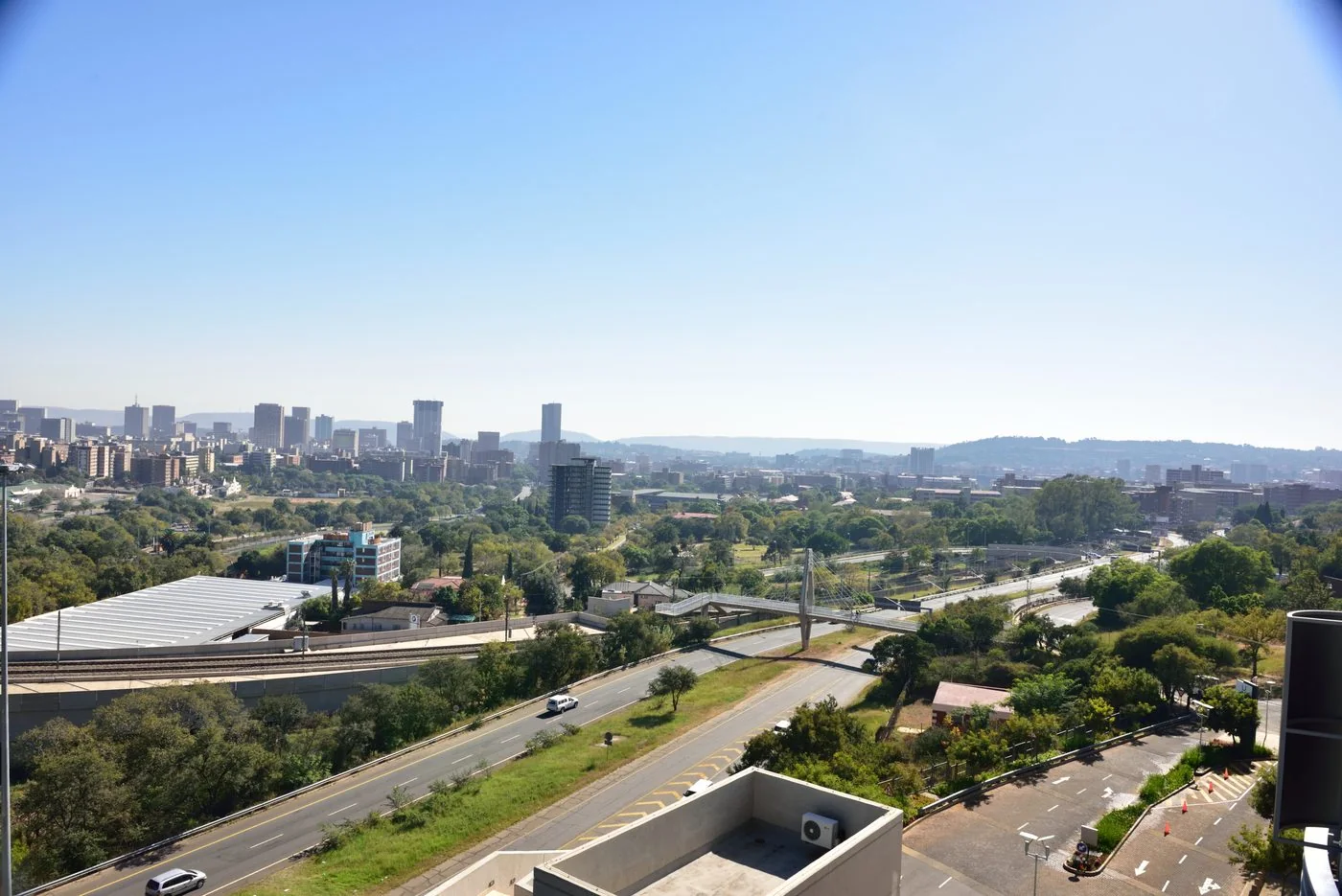
Elon Musk was born on June 28, 1971, in Pretoria, South Africa. His mother, Maye, is a Canadian-born model and dietitian; his father, Errol, is a South African engineer. In 1989 Musk left South Africa for Canada, where he enrolled at Queen's University in Kingston, Ontario. Accounts of the move commonly link it to avoiding South Africa's compulsory military service and to his plan to reach the United States.
He did reach it. Musk transferred to the University of Pennsylvania in Philadelphia and received bachelor's degrees in physics and economics in 1997. Before that degree was formally in hand, he had already moved west.
Two days at Stanford, then Zip2
In 1995 Musk went to California to start graduate study at Stanford University. Biographies describe the program as materials science or energy physics; the detail they agree on is that he left after about two days. The internet was taking off, and he wanted to be part of it.
With his younger brother Kimbal, he co-founded Zip2, a company that built online city guides, with maps, directions and business listings, and sold them to newspapers that wanted a presence on the web. In 1999 Compaq bought Zip2 for $307 million. Musk was not yet 30, and he had the money to start again.
X.com, PayPal and a trip abroad
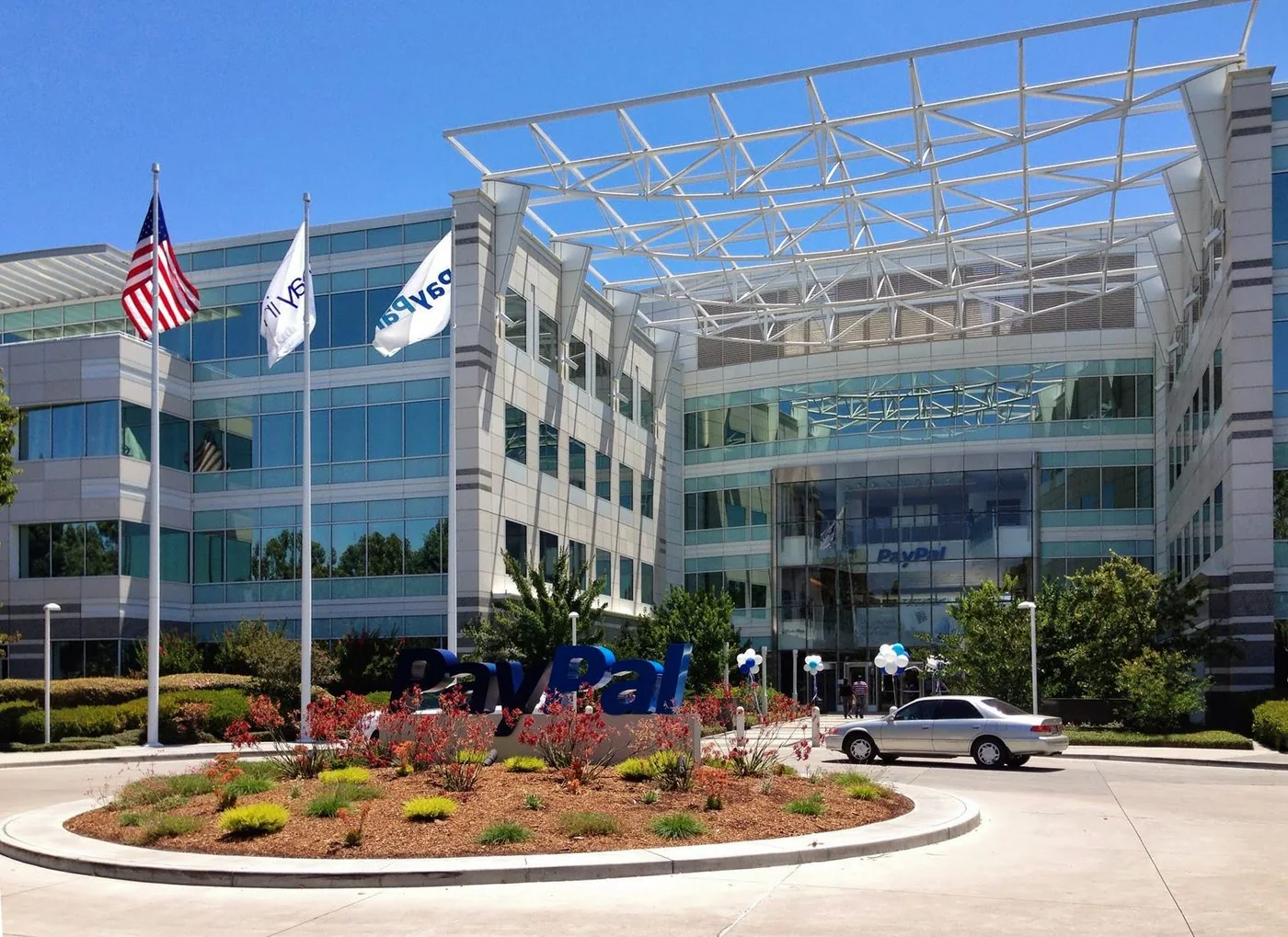
That same year he co-founded X.com, an online bank. In March 2000, X.com merged with Confinity, a rival startup whose product was a payment service called PayPal, and Musk became chief executive of the combined company.
He did not keep the job long. In September 2000, Musk left on a trip that combined meetings with investors and a delayed honeymoon with his first wife, Justine, in Sydney during the Olympics. While he was away, a group of executives took their case against his leadership to the board, which removed him and installed Peter Thiel as CEO. Accounts differ on the timing: some say the move came as he boarded his flight, while a 2007 Inc. profile said he learned of it when he returned. The company took the PayPal name.
On October 3, 2002, eBay completed its purchase of PayPal in a stock deal valued at about $1.5 billion. Musk remained a major shareholder. Reported figures for his share differ, with some accounts putting it near $180 million and others at about $250 million.
Rockets first, then a car
Musk founded Space Exploration Technologies, known as SpaceX, in 2002, with its first offices in El Segundo, California. He funded it largely himself; figures for his initial stake run from about $90 million, half of his PayPal proceeds, to about $100 million.
Tesla was not his idea at the start. Martin Eberhard and Marc Tarpenning founded Tesla Motors in 2003 to build an electric sports car. In February 2004 the company raised its Series A round, reported as $7.5 million in total, of which $6.5 million came from Musk. He led the round and became chairman of the board. He later described himself as a co-founder, a title that remains a point of contention in Tesla histories.
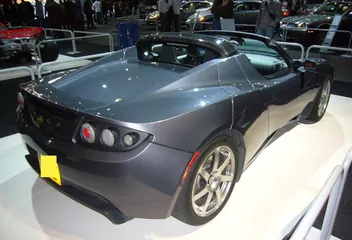
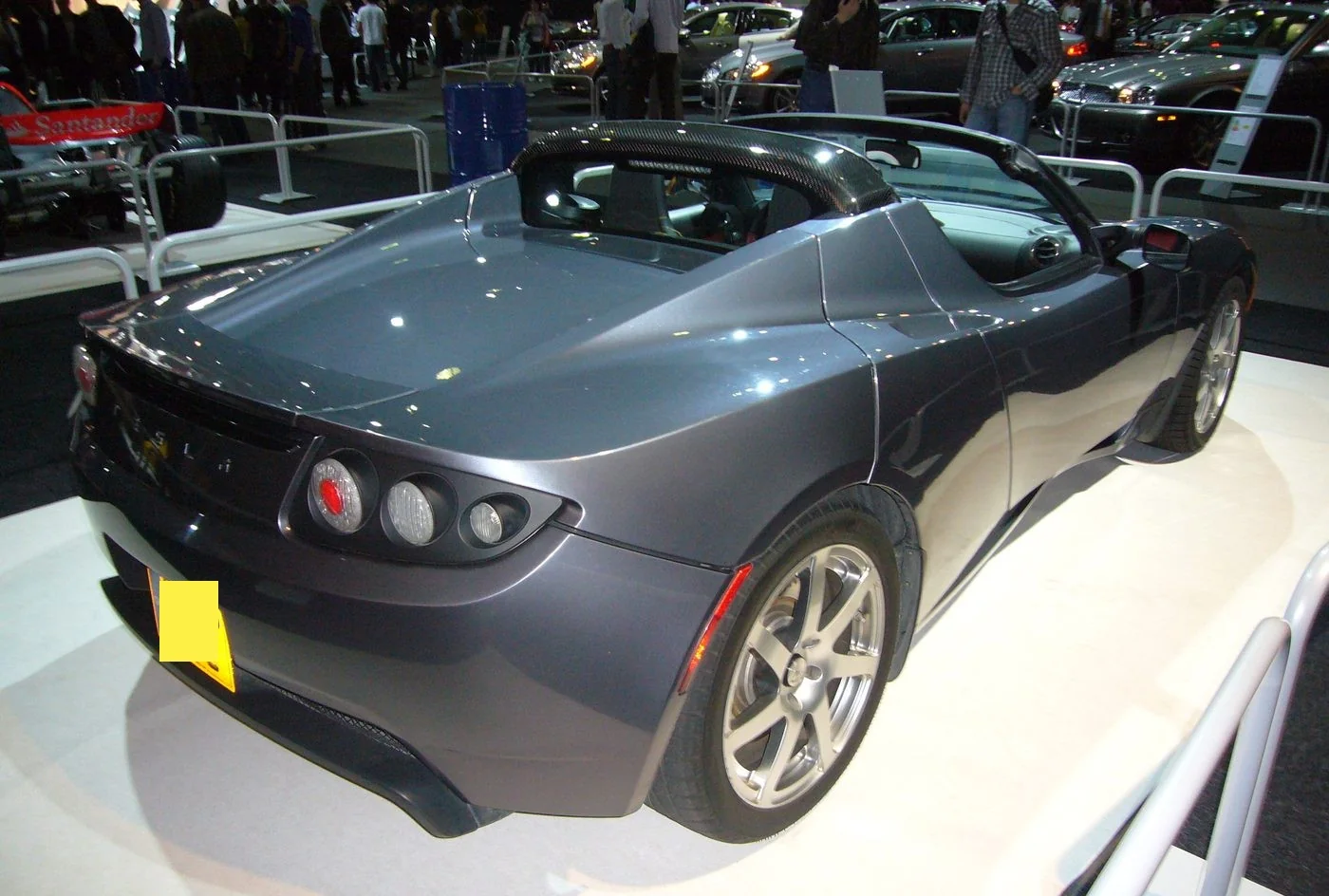
For the next few years Musk was Tesla's biggest backer and its chairman, not its manager. That changed gradually. In August 2007 the board asked Eberhard to step down as CEO; he took the title of president of technology and left the company in January 2008. On March 17, 2008, regular production of the Roadster began at the Lotus plant in Hethel, England.
The worst year
The Roadster reached production just as the money ran short. At SpaceX, the small Falcon 1 rocket had already failed on its first two launches. On August 2, 2008, the third attempt failed as well. Musk said engineers traced the problem to a timing error between the shutdown of the first-stage engine and stage separation, which caused the two stages to bump into one another instead of separating cleanly.
On September 28, 2008, the fourth Falcon 1 reached orbit with a dummy payload, making it the first privately developed liquid-fueled rocket to do so. Musk later said that a fifth failure would have ended the company.
Tesla was in a similar position with fewer options. On October 15, 2008, Musk announced on the company blog that he was taking over as CEO from Ze'ev Drori, who had held the job for less than a year and stayed on as vice chairman. The same announcement brought layoffs and a delay to the company's next vehicle, the sedan that became the Model S. Reports at the time said the cuts could reach around 100 employees.
On November 3, Tesla announced a $40 million financing commitment from almost all of its major existing investors, with Musk as lead investor. Closing it took until Christmas Eve, and by Musk's later account Tesla was about three days from bankruptcy when it did. The company said the money would go mainly toward building more Roadsters, expanding its business of supplying electric powertrains to other automakers, and future product development.
Musk was also going through a divorce that year. In a 2014 interview with 60 Minutes, he called 2008 "definitely the worst year of my life." He said he had split what remained of his money between the two companies, and that his PayPal fortune was essentially gone into SpaceX and Tesla.
What 2008 meant for Tesla
The double rescue of December 2008 left Tesla with a Roadster in production, a CEO who was also its largest investor, and a plan to build a sedan. The connection to SpaceX did not end there. On March 26, 2009, Musk unveiled the Model S prototype at SpaceX's Hawthorne facility, with a promised range of 300 miles and a price of $57,400 before tax credits.
Within months, outside money followed. Daimler bought a stake of almost 10 percent in May 2009, and in June the Department of Energy offered Tesla loans of up to $465 million to build the Model S. The supply business mentioned in the December 2008 financing, building battery packs and chargers for other carmakers, was part of what brought Daimler in.
The pattern of 2008 stayed with the company. Musk has run Tesla as chief executive ever since that October announcement, and the company he took over was, from the start, one he was willing to fund with his own money when outside investors hesitated. The Roadster proved the technology; the Model S that grew out of that difficult year turned Tesla into a carmaker.
The cars in this story
Sources
- Britannica: Elon Musk
- Wikipedia: Elon Musk
- Snopes: Was Elon Musk Fired from PayPal?
- Shortform: The Elon Musk and PayPal Story
- Wikipedia: Timeline of PayPal
- eBay Form 8-K exhibit, completion of PayPal acquisition (SEC)
- Wikipedia: History of SpaceX
- Wikipedia: Tesla, Inc.
- Wikipedia: Marc Tarpenning
- Wikipedia: History of Tesla, Inc.
- Tesla: Tesla Motors begins regular production of 2008 Tesla Roadster
- Space.com: SpaceX's Falcon 1 Falters For a Third Time
- Space.com: SpaceX Traces Third Rocket Failure to Timing Error
- Wikipedia: RatSat
- The Register: Tesla layoffs and boardroom reorganization (October 15, 2008)
- Fortune: Tesla's wild ride continues
- Wikipedia: Ze'ev Drori
- Tesla: Tesla Motors receives $40 million financing commitment
- Xconomy: Tesla Motors Secures $40,000,000 New Financing Round
- VentureBeat: Tesla absorbs another $40M to keep the motor running
- Screen Rant: Elon Musk Explains How Christmas Eve Funding Saved Tesla In 2008
- Spaceflight Now: NASA awards commercial resupply contracts (December 23, 2008)
- Wikipedia: Commercial Resupply Services
- Space.com: Why SpaceX's Elon Musk Says 2008 Was His 'Worst Year' Ever
- WTVR: Elon Musk on 2008, his worst year (March 30, 2014)
- Drive: Tesla Model S Unveiled
- Mercedes-Benz USA: Strategic Partnership, Daimler Acquires Stake In Tesla
- CNN: Feds lend Tesla $465 million to build electric car